
From Stack Overflow to AI Agents
This journey reminds me of how far we've come, and I hope it inspires you, too.

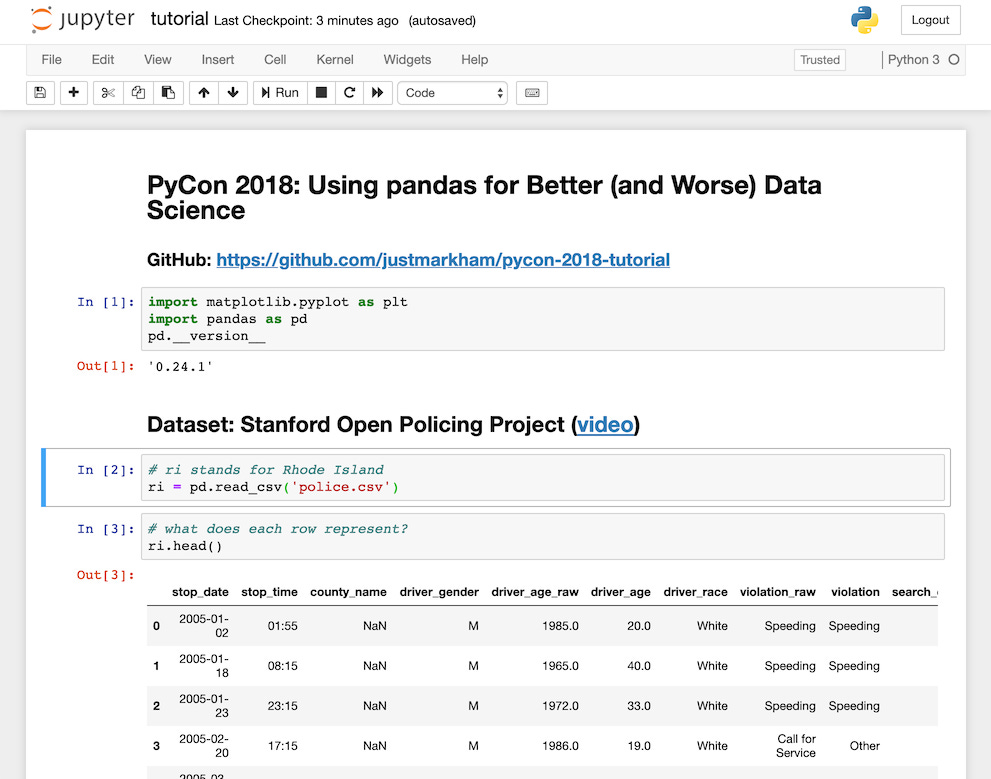
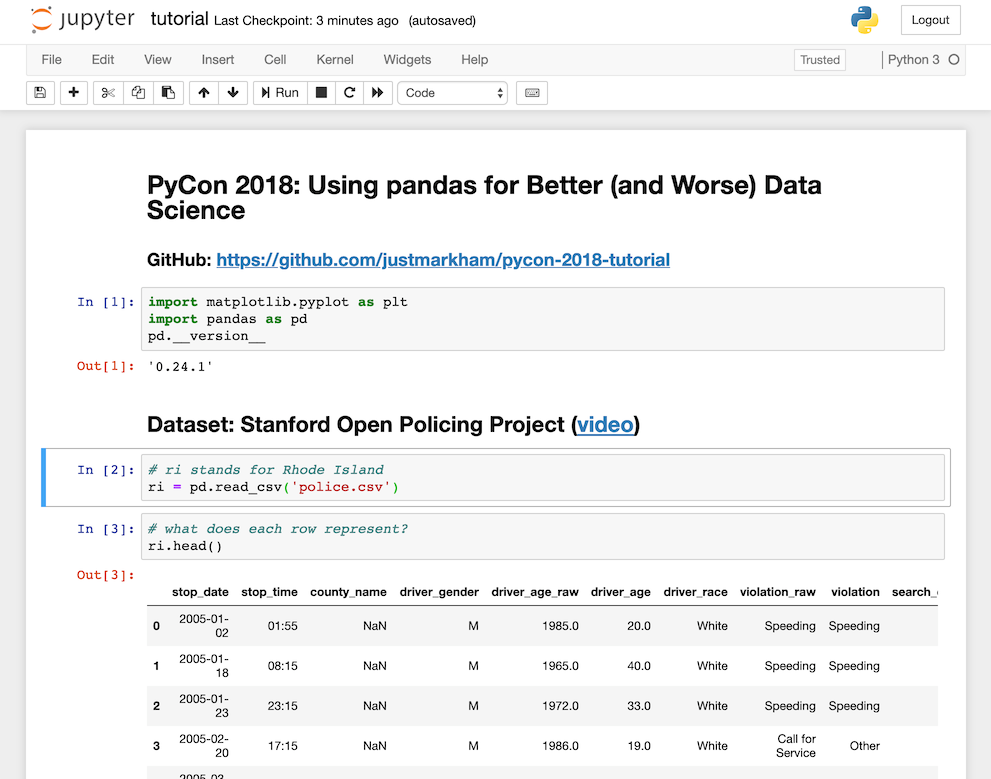
I still remember the days when “AI” was mostly just a buzzword used in slide decks to explain the differences between AI, ML, and DL! Back then, hitting 85% accuracy on a fraud detection model was a huge win for any Data Scientist or ML Engineer. 😃
Python libraries were our secret weapon to stand out from the crowd. Kaggle competitions felt incredibly tough, but honestly, they were so much fun and felt really authentic. 🥲 I’ll never forget how cleaning data would easily eat up 80% of our time on almost every single project! And finding a good dataset? That could take weeks, and even then, you’d only find about 70% of what you actually needed.
Oh, and writing documentation was an absolute nightmare! 🥴 After you finally finished building a model, you’d have to spend another whole day just writing technical docs and putting together PowerPoint slides. You had to explain the results perfectly so the non-technical folks wouldn’t panic.
Those were the times when Stack Overflow was your best friend. It was the only place to go when you forgot the exact pandas syntax for a tricky groupby or needed to fix a weird SQL join. We didn’t have ChatGPT or Gemini back then! 🕵️♂️
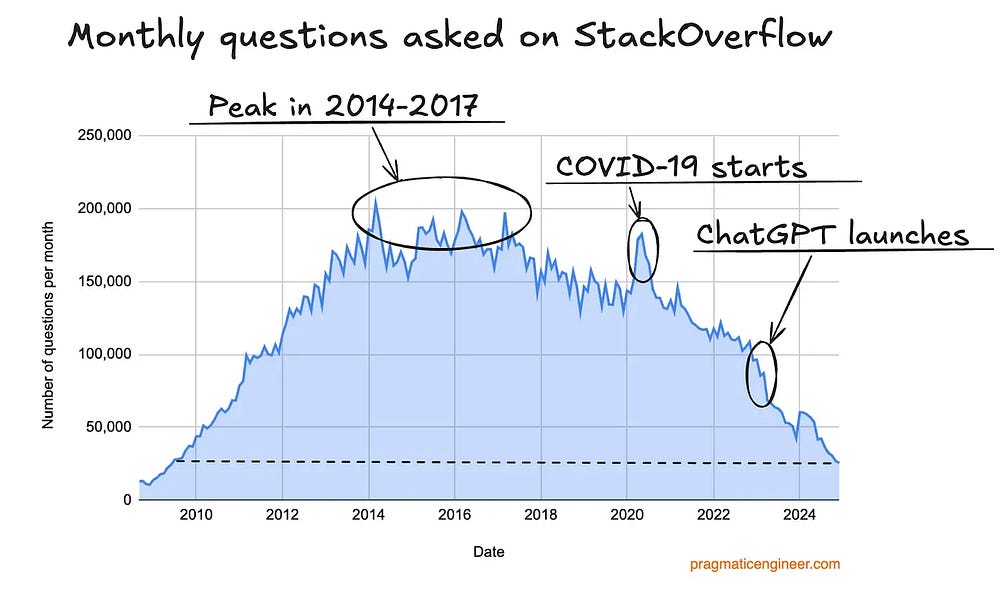
Every Medium article was titled something like “Random Forest vs XGBoost” or “The Ultimate BeautifulSoup Scraping Guide.” Your VS Code or Jupyter Notebook was your entire world. There was no little chat window on the side to ask a question and have the code magically written for you in a second. 🪄
Process vs. Outcome
If I’m being honest, I was actually happier back then. I don’t know exactly why, but maybe it’s because we really enjoyed the process. We were like craftspeople, taking pride in every single line of code, every feature we engineered, and every bug we squashed!
Today, though, we are super focused on the outcome. In the fast-paced business world, results are all that matter. To be blunt, no one really cares about the process anymore. But understanding this shift can empower you to adapt and thrive, knowing your efforts directly influence success and ROI. 📉
Scaling Our Brains, Not Just Our Models
Looking back, we spent way too much time acting like data mechanics instead of architects of business value. We were constantly stuck in the weeds dealing with syntax, setting up environments, and managing manual deployment pipelines. 😱
Sure, those struggles built character and gave us a rock-solid understanding of data architecture, but they also created a huge bottleneck! Businesses don’t want to wait three whole months for a predictive model. They want actionable insights yesterday, and they want them plugged straight into their daily workflows.
Note: Don’t get me wrong! Knowing the math behind Deep Learning and how a relational database works remains very important. I’ve often revisited textbooks to refresh certain concepts. I also encourage fresh graduates and juniors to learn the fundamentals, regardless of current trends. However, as data professionals, our primary focus has changed. We’ve moved from just building the model to actively guiding the data-driven journey toward profitability. 🏎️
The MLOps & Agent Challenge
Today, the game has completely changed. My team no longer struggles to write complex scripts because AI handles it all. The new challenge is figuring out how to orchestrate these massive, automated systems! 🤯
How do we take all these cool AI tools, connect them with our IoT data, keep everything secure and governed (shoutout to the DAMA framework! 📚), and deploy them as autonomous agents? And, more importantly, how do we ensure they automate business processes without making things up?
To pull this off, we need some new tools. First off, we need a solid MLOps pipeline. A model sitting on your local Jupyter notebook is useless to a company that needs real-time analytics! Second, we need to completely change how we think about Data Monetization. We need to ask ourselves: how will this AI agent actually make or save money for the business? 🫰
Strategic Architecture over Syntax
So, after looking at our reflective past and our fast-paced present, how do we actually make all these modern tools work together? I want you to see this as an exciting challenge: designing a strategic architecture that shapes the future of AI and data science and gives your work a meaningful direction.
We aren’t just writing code anymore; we are designing entire workflows. 🧑💻
Why Modern AI Agents?
Moving away from manual Python scripts to AI-driven agents and automated workflows gives us some awesome benefits:
Speed to Value: Instead of spending weeks cleaning data by hand, we now use AI assistants to write the boring, repetitive code. This lets us focus on solving the actual business problem! ⚡
Better Teamwork: Explaining models to stakeholders isn’t a PowerPoint nightmare anymore. We can spin up interactive dashboards and data products in just a few days, letting the data speak for itself. 🫂
Easy Scaling: Whether we’re running complex data pipelines or triggering actions based on real-time IoT data, we can build agents that monitor, predict, and act all on their own!
Conclusion
The jump from scrolling through Stack Overflow to building strategic AI agents really shows just how fast our field is changing! I will always look back fondly on those late-night debugging sessions and the amazing feeling of writing the perfect pandas script. But let’s confront it, the reality of modern business demands more from us now.
It’s not enough to be a great coder anymore; you have to be a strategic architect! By embracing MLOps, automation, and data monetization, we can stop being seen as just a cost center. Instead, we can become the real engine that drives measurable revenue for our companies and ourselves.
The tools might have changed, but our main mission, solving tough problems with data, is the same. 🚀🎮 This journey reminds me of how far we’ve come, and I hope it inspires you, too.